
Residential Electrician in Houston. Licensed, family-owned, since 2005.
A residential electrician near you for the house you live in: repairs, upgrades, inspections and rewiring, done by our own crews.
What a residential electrical inspection checks
An electrical inspection is a careful look at the whole system, not just the lights. Here is what we check and what you get at the end.
The panel and the breakers
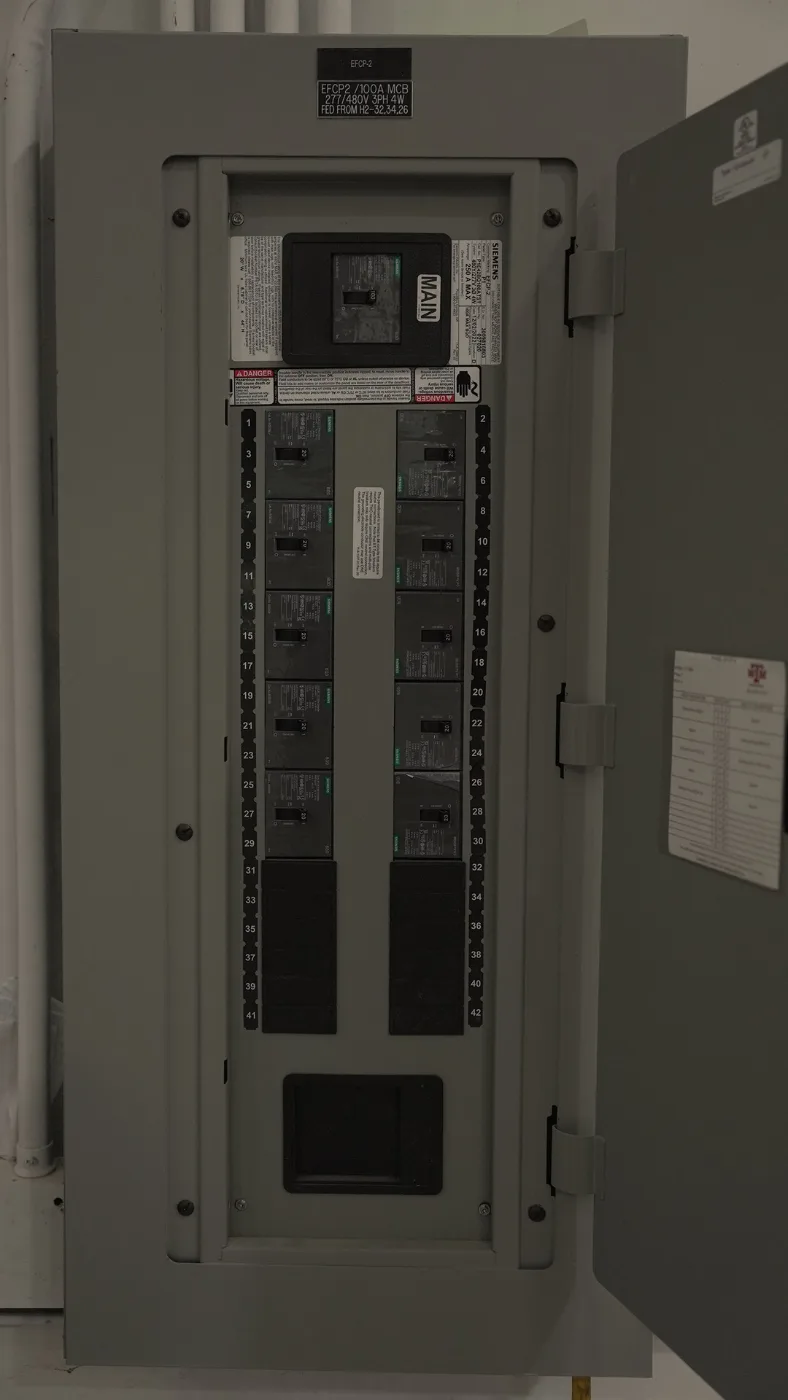
We look at the condition of the panel, the labeling, signs of heat or corrosion, and whether the breakers match the wire they protect. We also look at whether the panel has room for what you plan to add. Double-tapped breakers, scorch marks, and rust are the kind of thing we write down.
Outlets, switches and protection
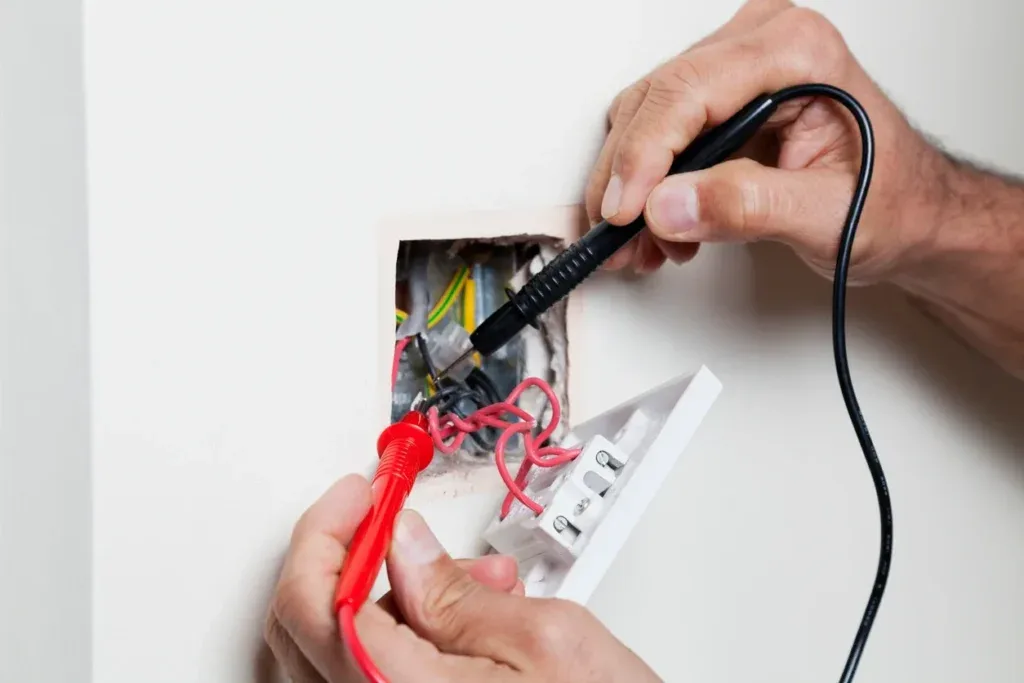
We test outlets for correct wiring and check that the places that need GFCI protection, such as kitchens, baths, garages and outdoors, have it. Loose, warm, or worn devices get noted. We also look at whether the circuits are carrying more than they should.
Grounding, visible wiring and smoke detectors
We check grounding, look at wiring we can see in the attic, garage and utility spaces, and check that smoke detectors are present and working. Older homes often have a mix of old and new work from different eras. We tell you what we see in plain words.
When to book an inspection and what you get
Common times are before buying or selling, after buying an older home, after storm or flood damage, and before a remodel or a big new load like an EV charger. You get a written list of what we found, what matters now, and what can wait, so you can decide what to fix.

Signs you may need to rewire your house
Rewiring sounds like a big job, and sometimes it is. Often it can be done in stages and with less mess than people expect.
Warning signs of old or damaged wiring
Breakers that trip often, lights that flicker or dim, outlets that spark or feel warm, and a burning smell from a wall are all signs. So are two-prong outlets, cloth-covered wire, and aluminum wiring. Rodent damage and past water damage also count. None of these means the house is unsafe on its own, but together they tell us it is time for a closer look.
How a house rewire goes, stage by stage
We start with a walkthrough and a written scope, then plan the order of work so you can stay in the house when possible. Permits are pulled before the work begins, and the new wiring is inspected before it is covered. The last stage is new devices, panel connections, labeling, and cleanup.
Rewiring without tearing out drywall where possible
Many walls and ceilings can be reached from the attic, crawlspace, or small access points, which limits the drywall we open. Some homes make that hard, and we will tell you where we expect to open walls and where we do not. We tell you before we start how wall patching and painting will be handled.
What drives the cost of rewiring a house
The size of the house, the age and type of the wiring, how easy the walls and attic are to reach, and how many circuits and fixtures are involved all move the price. So does whether the panel needs to be replaced and how much patching you want us to handle. That is why we quote after a free visit instead of over the phone.
Whole house surge protector and panel capacity
Surges and overloaded panels are two of the most common issues we see in Houston houses. Both are easier to fix on your schedule than after a failure.
What a whole house surge protector does
A whole house surge protector is installed at the panel and gives a path for surge energy before it gets to the circuits and the things plugged into them. It protects outlets, appliances, and electronics, and it works together with the plug-in strips you already own. Houston storms and grid switching are common causes of surges.
Is a whole house surge protector worth having
If you have expensive electronics, a pool pump, HVAC equipment, or a home office, protection at the panel makes sense. The device wears with use, so we check that it is still working during a visit. Installation takes place at the panel, so it is a job for a licensed electrician.
Panel capacity and when it is time to upgrade
A panel that is full, runs hot, trips often, or no longer matches how you use the house is a candidate for an upgrade. EV chargers, hot tubs, extra A/C units, and kitchen remodels all add load. We look at the panel and the load and tell you if it can handle the change or needs to be replaced.
Older homes and newer homes: different electrical problems
The age of the house tells us what to look for before we open the panel.
What we find in older homes
Older houses often have undersized panels, ungrounded outlets, cloth or brittle wire, and decades of patched-in additions. Some have aluminum branch wiring, which needs careful attention at every connection. A good plan fixes the riskiest items first and leaves the rest for later.
What we find in newer homes
Newer homes are usually in better shape, but they have their own issues. Builder-grade devices wear out, loads have grown since the house was built, and storm surges take a toll. Many calls come from remodels, additions, and loads like EV chargers that the original panel was never sized for.
Additions, garage conversions and past DIY work
Work that was added later is a common source of trouble, whatever the age of the house. We find loose splices, overloaded circuits, and wiring that was never permitted. We tell you what is wrong, what it takes to bring it up to code, and what you can leave.
How to choose a residential electrician near you
A good electrician will answer these questions without hesitation. Use them with us or with anyone else you call.
Ask about licensing and insurance
In Texas, electrical work for hire must be done by a licensed electrician, so ask for the license and proof of insurance. Wired is licensed and insured, and we are glad to show you. Be careful of anyone who cannot give you a license or says it is not needed.
Ask who pulls the permit
Most panel, rewiring, and service work needs a permit and an inspection, and the contractor should handle it. Wired pulls its own permits and does not ask you to do it. Skipped permits can cause trouble with insurance and when you sell the house.
Ask for a written estimate and a clear scope
A written estimate should say what is included, what is not, and what could change the price. Ask whether the work is done by the company's own crew or subcontracted. Our visits and estimates are free, and our own crews do the work.
Room by room: where homes need the most electrical attention
Different rooms have different rules. Here is what we look at in the parts of the house that work the hardest.
Kitchens
Kitchens carry more load than any other room. Microwaves, dishwashers, disposals and countertop appliances each need the right circuit. Countertop outlets need GFCI protection. When a kitchen trips breakers often, it usually means too many appliances share one circuit. During a remodel, that is the best time to add dedicated circuits, update lighting, and bring outlets up to current code.
Bathrooms and laundry rooms
Water and electricity are a bad mix, so bathrooms and laundry areas need GFCI protection. Exhaust fans, heated mirrors and vanity lights all add load. Dryers need their own correctly sized circuit and outlet. If the dryer outlet looks burned or the plug fits loosely, replace it before it fails. We also check that bath fans are wired so they actually run.
Garages, attics and outdoor outlets
Garages often end up with freezers, shop tools, a second fridge and an EV charger on circuits that were never meant for them. Attics hide old splices and wiring that critters have chewed. Outdoor outlets need weather-rated covers and GFCI protection. We check all three, because these are the places problems hide the longest before anyone notices. A quick look now is easier than a repair after something fails.
Home inspection reports, remodels and home sales
A lot of residential calls come from a buyer, a seller or a remodel. Here is how we help in each case.
Fixing items on a home inspection report
Home inspectors often flag missing GFCI protection, double-tapped breakers, open junction boxes, missing smoke detectors and older panel brands. Send us the electrical page of the report. We look at each item, tell you which ones are real safety issues and which are minor, and give you a written estimate. That helps both sides of a sale move forward with clear information.
Electrical work during a remodel
A remodel opens walls, which is the easiest time to add circuits, move outlets, and install recessed lighting. We pull the permit and coordinate the rough-in and final inspections. If walls are already closed, we can often still run new wire through the attic. We plan the lighting and outlet layout with you so it fits how you actually use the room.
Preparing a house to sell
Buyers and their inspectors notice warm outlets, dead switches, missing covers and a panel with no labels. A short visit before you list can clear up those small items and catch anything bigger before a buyer finds it. Fixing it on your schedule is usually easier than negotiating it during the sale. We give you a written list of what we found and what we fixed.
Upgrades homeowners ask for most
Beyond repairs, these are the projects that make a home safer, easier to live in, or ready for what comes next.
Lighting and ceiling fans
Recessed lighting, new fixtures and ceiling fans change how a room feels. We check that the box can hold the weight of a fan, that dimmers match the bulbs, and that the circuit can handle what you add. Outside, we install AMP Lighting landscape lighting in warm white or AMP iQ color, so paths, trees and the front of the house look good after dark.
EV chargers and dedicated circuits
A Level 2 EV charger needs its own circuit and enough room in the panel. So do many workshop tools, freezers and spa equipment. We do a quick load check first so the new circuit does not overload the service. If the panel is full or undersized, we tell you, and we walk through options such as a panel upgrade or a subpanel.
Smoke detectors, security wiring and standby power
Working smoke detectors are one of the simplest safety upgrades in any home. We install and replace them, and wire security systems and cameras. For homeowners who want the lights and AC to stay on in an outage, we install Generac standby generators. New air-cooled Generac installs come with a free 10-year warranty, and we offer Shield Protection plans for yearly service.
Residential electrical work, done right.
Houses are different, and so is every job. We start with a free visit.
- Electrical inspection of the panel, outlets, wiring and smoke detectors.
- Rewire a house with old, damaged or unsafe wiring, room by room or whole house.
- Panel upgrades and breaker box replacement.
- Whole house surge protector installed at the panel.
- Lighting, ceiling fans, outlets, EV chargers and generators.
- Repairs for outlets, breakers and flickering lights.
From first call to finished job.
- Call. Tell us what you have and what you want.
- Free visit. We look, test and give you a written estimate.
- Done. Permit pulled, work inspected, cleaned up.
Residential electrician near me: what we do most
Four jobs that come up again and again.
Electrical inspection
We check the panel, outlets, grounding and the smoke detectors and give you a written list. See electrical inspection.
Rewire house and house rewiring cost
Old aluminum, cloth wiring or a house that has been patched for years. See house rewiring.
Ask us anything. These come up most.
Do you do residential electrical work?
Yes. Everything in the house: panels, wiring, lighting, fans, outlets, EV chargers, surge protection and generators.
Do I need an electrical inspection before buying or selling a house?
It is a good idea. We check the panel, outlets and wiring and tell you what needs fixing.
How much does it cost to rewire a house?
It depends on the size, the age of the wiring and what is behind the walls, so we quote after a free visit.
How long does an electrical inspection take?
It depends on the size of the house and what we find, so a small home goes faster than a large one. We tell you what to expect when you book and walk through the findings with you at the end. You get a written list afterward.
Can you rewire a house without tearing out the drywall?
Often, yes, at least in part. We run wire through attics, crawlspaces, and small access points where we can. We tell you where we expect to open walls before we start, and we patch what we open.
Do I need a whole house surge protector in Houston?
Many homeowners here choose one because of storm season and grid switching. It is a good fit if you have expensive electronics, pool or HVAC equipment, or a home office. We can look at your panel and tell you if it is a good idea.
Does a rewire need a permit?
In most cases, yes. Rewiring and panel work normally need a permit and an inspection. We pull the permit as part of the job.
Is an older home unsafe to live in?
Not necessarily. Many older homes are fine with a few targeted fixes. An inspection tells you where you stand and what to fix first.
How often should I have my home electrical system checked?
A good rule is to have it looked at when you buy a house, before a big remodel, after major storm damage, and any time you notice warm outlets, burning smells, or breakers that trip often. Older homes benefit from a check more often than newer ones.
Why do my breakers keep tripping?
The most common reasons are too many appliances on one circuit, a failing appliance or device, a loose connection, or a worn breaker. A breaker that trips again right after reset needs an electrician. Do not replace it with a bigger breaker, since that removes the protection.
Can you fix the electrical items on my home inspection report?
Yes. Send us the electrical section of the report. We review each item, explain which ones matter most, and give you a written estimate for the repairs.
Do you install EV chargers at home?
Yes. We install Level 2 home chargers, including the dedicated circuit, and check that your panel has room for the new load before we start.
Need a residential electrician?
Call and we will book a free visit.